
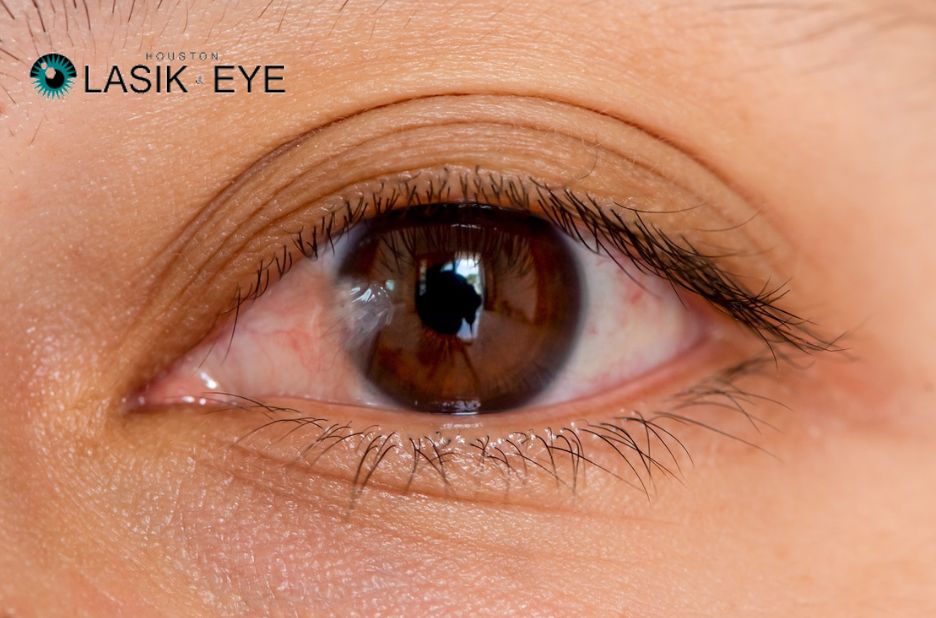
Understanding Pterygium
Pterygium is a common eye condition characterized by a benign growth of the conjunctiva, the clear tissue that covers the white part of the eye. This growth typically starts on the nasal side and can extend toward the cornea, potentially causing discomfort, redness, and vision Eye Surgery Pterygium Removal disturbances. Exposure to ultraviolet light, wind, dust, and dry environments are major contributing factors to the development of pterygium. While it is often painless in the early stages, advanced cases can interfere with vision and require medical intervention.
Symptoms and Diagnosis
Individuals with pterygium may notice symptoms such as eye irritation, redness, a gritty feeling, and sometimes blurred vision. In some cases, the growth may become inflamed, leading to increased discomfort. Diagnosing pterygium is typically straightforward How to cure pterygium through a comprehensive eye examination by an ophthalmologist. Early diagnosis is crucial to prevent progression and to determine the appropriate course of action, ranging from conservative management to surgical removal.
Non-Surgical Management
Initial treatment for pterygium often includes non-surgical options aimed at alleviating symptoms and slowing progression. Lubricating eye drops or artificial tears can help relieve dryness and irritation. Anti-inflammatory eye drops may be prescribed during periods of inflammation. Patients are also advised to protect their eyes from UV exposure by wearing sunglasses and hats when outdoors. While these measures can manage symptoms, they do not eliminate the growth itself.
When Surgery Becomes Necessary
Surgical intervention is recommended when the pterygium grows large enough to threaten vision by encroaching onto the cornea or causes persistent symptoms that do not respond to medical treatment. Surgery is also considered for cosmetic reasons or if the growth repeatedly becomes inflamed. The goal of surgery is to remove the abnormal tissue and restore the normal contour of the eye surface, thereby improving comfort and vision.
Techniques Used in Surgery
There are several surgical techniques for removing pterygium, including excision with conjunctival autografting and amniotic membrane transplantation. The conjunctival autograft method involves removing the pterygium and covering the exposed area with healthy conjunctival tissue from the same eye, reducing the risk of recurrence. Surgeons may also use adjunctive therapies such as mitomycin C to minimize regrowth. Each technique is chosen based on the size and location of the pterygium and the patient’s individual needs.
Post-Operative Care and Recovery
After surgery, patients typically experience mild discomfort and redness, which can be managed with prescribed eye drops. It is essential to avoid rubbing the eyes and strenuous activities during the healing period. Follow-up visits ensure proper healing and monitor for any signs of recurrence or complications. Most patients see a significant improvement in symptoms and vision within a few weeks after the procedure.
How to Cure Pterygium: Long-Term Considerations
While surgical removal effectively treats existing pterygium, preventing recurrence is an important part of long-term management. Protecting the eyes from UV exposure remains critical. This includes wearing UV-blocking sunglasses, wide-brimmed hats, and avoiding prolonged sun exposure. Regular eye check-ups can detect early signs of recurrence, allowing timely intervention. Understanding how to cure pterygium involves a combination of effective surgery and diligent preventive care to maintain eye health.
Conclusion
Eye Surgery Pterygium Removal offers a reliable solution for those experiencing discomfort and vision issues caused by this common eye condition. From understanding the symptoms and diagnosis to exploring surgical options and post-operative care, managing pterygium requires a comprehensive approach. For individuals searching for expert care in Houston, ouston Lasik & Eye provides experienced surgeons dedicated to restoring vision and improving quality of life. Visit Pterygiumhouston.com to learn more and stay connected for the latest information on pterygium treatment.