
Understanding the Basics
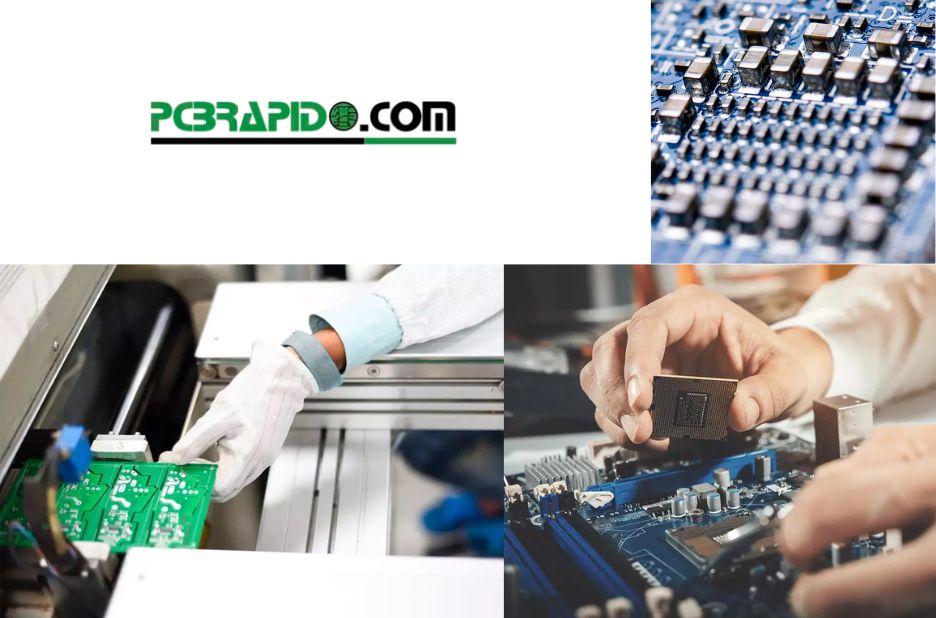
A placa de circuitos is an essential component in modern electronics, serving as the foundation for connecting various electronic parts. These boards provide mechanical support and electrical connections to components such as resistors, capacitors, placa de circuitos and integrated circuits. The main purpose of a placa de circuitos is to create a reliable and organized pathway for electronic signals, ensuring devices function properly and efficiently.
Materials and Construction
Typically, a circuito impreso pcb consists of a non-conductive substrate layered with thin copper traces that form the circuit paths. The substrate is usually made from fiberglass or epoxy resin, which offers durability and resistance to circuito impreso pcb heat. The copper layers are etched into precise patterns to accommodate the circuit design. Additional protective coatings, like solder masks and silkscreens, help prevent short circuits and provide labeling for components.
Applications and Benefits
Placas de circuitos are widely used in numerous electronic devices, from smartphones and computers to industrial machinery and automotive systems. Their compact size and reliability make them indispensable in modern technology. One significant advantage of using a circuito impreso pcb is the ease of mass production, which leads to consistent quality and lower manufacturing costs. Additionally, PCBs enhance the durability and longevity of electronic devices by securely holding components in place.
Conclusion
For those seeking high-quality placas de circuitos, especially in Mexico, PCBRAPIDO.COM offers exceptional options. Their circuito impreso pcb products are crafted with precision and care to meet demanding standards. Whether for prototyping or large-scale production, PCBRAPIDO.COM is a trusted choice for reliable and expertly made circuit boards. Visit PCBrapido.com to explore their offerings and ensure your electronic projects achieve the best performance.