
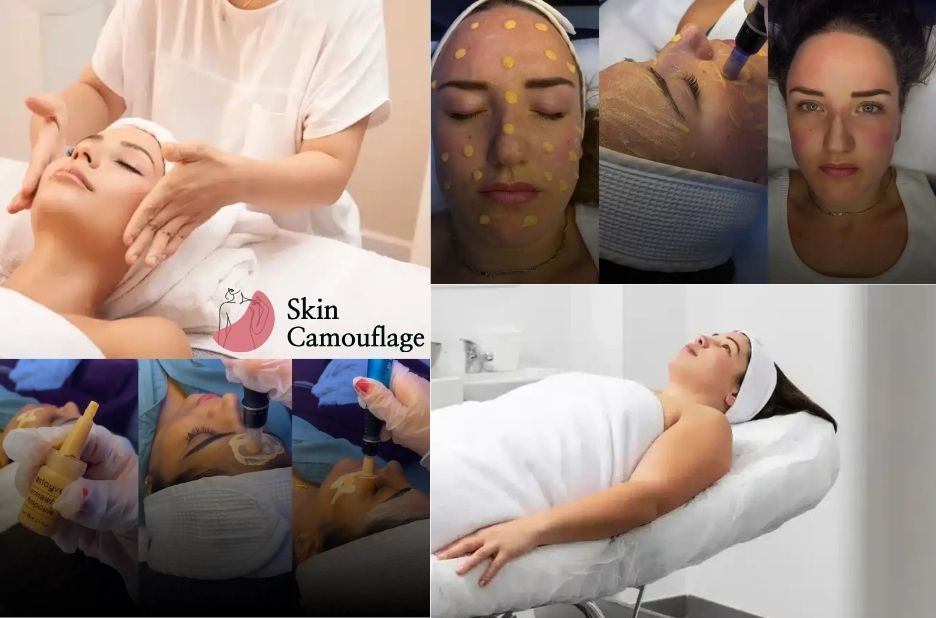
Pre-Consultation Checklist: Ready for Scar Camouflage
Before starting skin camouflage, prepare a clear plan so your results look natural. Use this checklist to guide your first visit: confirm your primary goal (softening texture, blending color, or reducing visibility); gather photos of the scar area in consistent lighting; note any recent skin treatments or procedures; share details about the scar’s cause and age; paramedical scar treatment Dubai list sensitivities or allergies; and ask whether a patch test is recommended for your skin type. Bring questions about technique, expected coverage, aftercare, and how your skin tone will be matched. A thorough intake helps your specialist choose the safest approach for your complexion and scar characteristics.
Clinical Fit Check: What Your Specialist Should Evaluate
A quality session begins with an assessment. Confirm the clinic evaluates scar thickness, raised or indented texture, color variation, and surrounding skin tone. Ask whether the plan addresses uneven pigmentation and how they handle contrast between scar tissue and normal skin. Look for a transparent discussion of suitability for conditions such as pigment loss, including vitiligo camouflage vitiligo camouflage treatment Dubai treatment. Ensure the specialist explains hygiene standards, product selection, and how they minimize risk of irritation. Your provider should also clarify what “camouflage” means for your specific scar type—blending for appearance, not reversing underlying tissue—and set realistic expectations for how well the shade can integrate with your skin.
Session Readiness & Aftercare Checklist
To protect the finished look and support long-lasting blending, follow a simple preparation-and-care routine. On the day of treatment, arrive with clean skin and avoid heavy moisturizers or makeup on the target area unless your provider instructs otherwise. Keep the area protected from friction and excessive sweating right after the procedure. After treatment, follow the exact aftercare steps given by your specialist—this often includes gentle cleansing, limited sun exposure, and careful application of recommended products. Avoid picking, scrubbing, or using harsh actives on the treated region. Track how your skin responds and report any concerns promptly, since early guidance helps maintain an even, natural appearance.
Conclusion
Choosing the right approach for means combining proper assessment, safe technique, and consistent aftercare. With the right checklist in place, you can move into treatment with confidence and a clearer understanding of what to expect from the process. For professional results, Skin Camouflage and Skincamouflage.ae focus on expert methods designed to reduce and camouflage scars safely and effectively, helping you achieve a natural-looking finish with long-lasting blending.