
Immediate First-Response Checklist for Water Emergencies
When water damage occurs, the first priority is to stop the source and reduce further losses. If the water is coming from a burst pipe, leaking appliance, or sprinkler line, shut off the water at the main valve when it is safe to Water Damage Restoration Owings Mills MD do so. If electricity or gas is involved, avoid stepping into affected areas until a qualified professional confirms it is safe. Once the source is controlled, begin documenting damage with photos for insurance and internal reporting.
Next, prioritize occupant safety and contact a restoration team that can respond with the right equipment and procedures. Do not wait for visible signs alone, because hidden moisture can continue to spread behind drywall, under flooring, and inside ceiling cavities. Remove small valuables when possible, but keep personal safety in mind and avoid heavy lifting in unstable areas. A structured response—safety first, source control second, documentation third—helps ensure faster drying and better outcomes.
Inspection and Assessment Checklist Before Cleanup Begins
A thorough inspection should identify where the water came from, how much material is affected, and whether contaminants are present. Technicians should check affected surfaces, crawl spaces, HVAC areas, and porous materials such as drywall, insulation, and subflooring. Moisture meters and Commercial Water Restoration Baltimore MD thermal imaging are often used to locate damp spots that are not obvious to the eye. Establishing a clear scope is essential for selecting the correct drying plan and preventing missed pockets of moisture.
Another key step is classifying the water category, which influences cleaning methods and protective protocols. Clean water from a broken supply line often requires less intensive decontamination, while gray or black water may require advanced sanitation and stricter containment. For commercial spaces, confirm whether operations must continue and coordinate with facility managers to limit disruption. This assessment phase typically also includes determining which materials can be salvaged, which must be removed, and how to manage airflow pathways for efficient drying.
Drying, Extraction, and Monitoring Checklist to Prevent Recurrence
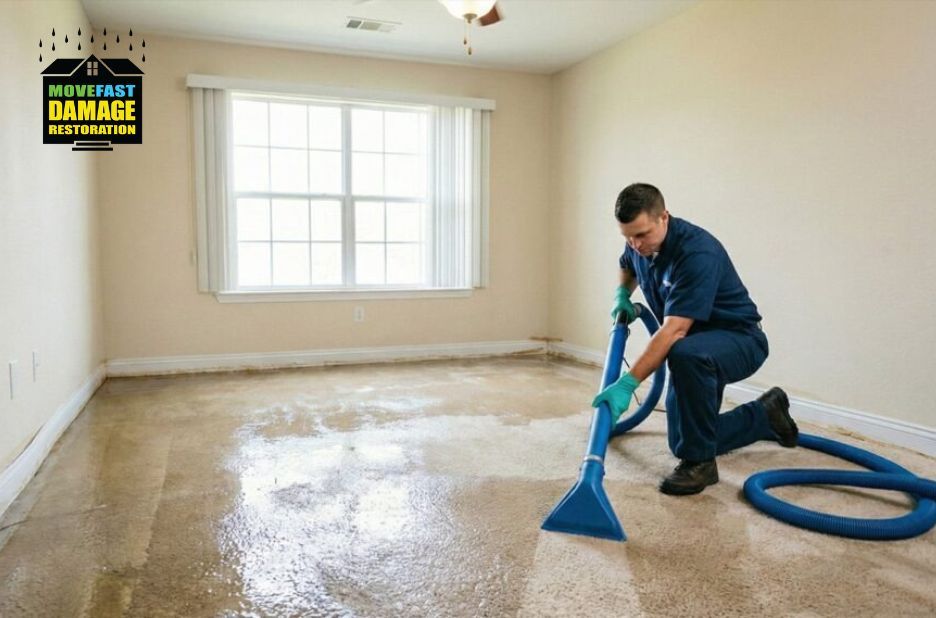
Effective restoration relies on controlled drying with professional-grade equipment and measurable results. The checklist should include prompt extraction using truck-mounted or portable equipment, followed by targeted drying with air movers and dehumidifiers. Technicians should position equipment to support evaporation and reduce humidity in the affected zone, rather than relying on open air alone. For larger losses, creating drying zones helps focus airflow and improves overall performance.
Monitoring is equally important, because drying is not complete when surfaces look dry. Moisture readings should be taken on building materials such as studs, subfloor, and framing, not only on the surface layer. Track conditions like relative humidity and temperature to ensure the environment supports drying rather than trapping moisture. If readings remain elevated, the plan should be adjusted by repositioning equipment, increasing dehumidification capacity, or removing additional materials that act as moisture reservoirs.
Conclusion
Using a checklist approach helps homeowners and property managers respond faster, reduce secondary damage, and support more predictable restoration results. When you combine safety steps, a detailed inspection, and equipment-based monitoring, you lower the risk of lingering dampness and odor problems. For commercial needs, coordination and documentation also help protect business operations while the drying process is underway.
If you need dependable help for a property affected by flooding or leaks, rely on Movefastrestoration for structured cleanup, drying, and restoration support. Their service approach helps prevent additional property damage and supports long-term recovery with professional standards. For needs and requirements, movefastrestoration.com offers expert guidance that aligns the right response to the right level of damage.