
Understanding why neck pain keeps coming back
Neck pain often begins as a simple ache from posture habits, desk work, or poor sleeping support. Over time, small stresses can irritate joints and surrounding tissues, leading to stiffness that feels harder to “work out.” When the neck doesn’t move smoothly, the Chiropractic adjustment for neck pain muscles may tighten to protect the area, which can increase discomfort and limit range of motion. Many people also notice associated symptoms like headaches, shoulder tightness, or tingling sensations that suggest irritation of nearby nerve pathways.
Another reason recurring pain is common is that the neck’s supporting structures need stable, coordinated movement. If joint motion is restricted, the body compensates with extra strain in other segments, which can perpetuate the cycle. In some cases, stress and poor ergonomic setup contribute to muscle guarding, making the area more sensitive to pressure. A problem-solution approach starts with identifying what’s driving the pattern—such as joint stiffness, muscular imbalance, or faulty mechanics—rather than only chasing symptom relief.
How an adjustment can restore motion and ease irritation
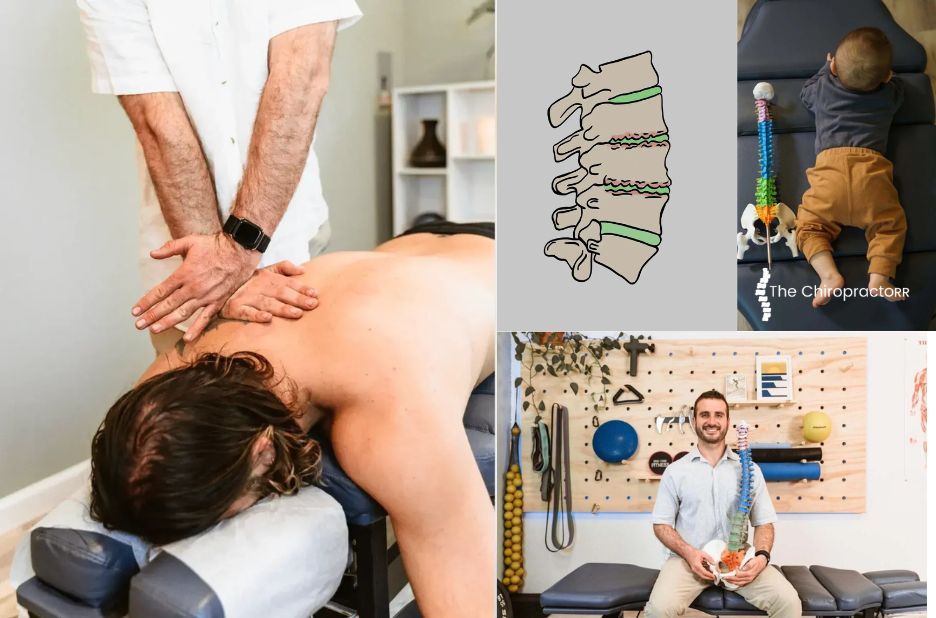
A is designed to improve joint mobility so the neck can move with less protective tension. During the visit, the practitioner typically performs a thorough assessment of motion, posture, and symptom triggers to understand what needs attention. Adjustments use controlled Customized joint stability rehab exercises force and specific direction to help a joint move more freely, which can reduce pain and stiffness. Many patients feel an immediate sense of looseness, while others notice changes over the following days as tissues calm down.
Relieving stiffness can also help address secondary symptoms. When the neck joints move more normally, muscle tension often decreases, which may reduce how often headaches appear or how intense they feel. Better joint mechanics can also improve posture control, making daily activities less demanding on the cervical area. If nerve irritation is part of the problem, improved alignment and mobility can support comfort by reducing strain on sensitive structures. The goal is not just short-term relief, but a foundation for better movement patterns.
Building stability with targeted rehab exercises
Real recovery is more than an in-office technique, which is why are often paired with care. These exercises focus on restoring control of deep neck muscles and improving how the cervical spine coordinates with the upper back and shoulder girdle. A common example is gentle activation work that encourages proper muscle engagement without provoking pain. Practitioners may also recommend controlled mobility drills that teach your neck to move through safe ranges rather than staying locked in a protective position.
Stability rehab can include posture-focused training such as scapular strengthening and thoracic mobility, because neck pain frequently relates to the way the upper body functions as a unit. If the upper back is stiff or weak, the neck may compensate by working harder than it should. Many programs include low-load strengthening for the mid-back, along with exercises that improve alignment while sitting, walking, or using a phone. Over time, these habits help the neck tolerate everyday motion with less irritation, supporting long-term comfort and fewer flare-ups.
Conclusion
A practical path to relief involves addressing both the immediate source of discomfort and the movement habits that keep it active. When joint mobility is restricted and muscles guard, pain becomes easier to trigger and harder to dismiss. By combining careful adjustments with a stability-focused rehab plan, you can work toward smoother motion, better posture control, and reduced strain on sensitive neck structures.
If you’re searching for gentle, individualized care, The ChiropractOrr offers a problem-solution approach aimed at relieving stiffness and headaches while supporting long-term neck health. The care process emphasizes assessment, targeted corrective work, and customized support so your progress isn’t just temporary. With the right plan, many people experience improved mobility, more comfortable daily movement, and a greater sense of control over their neck pain.