
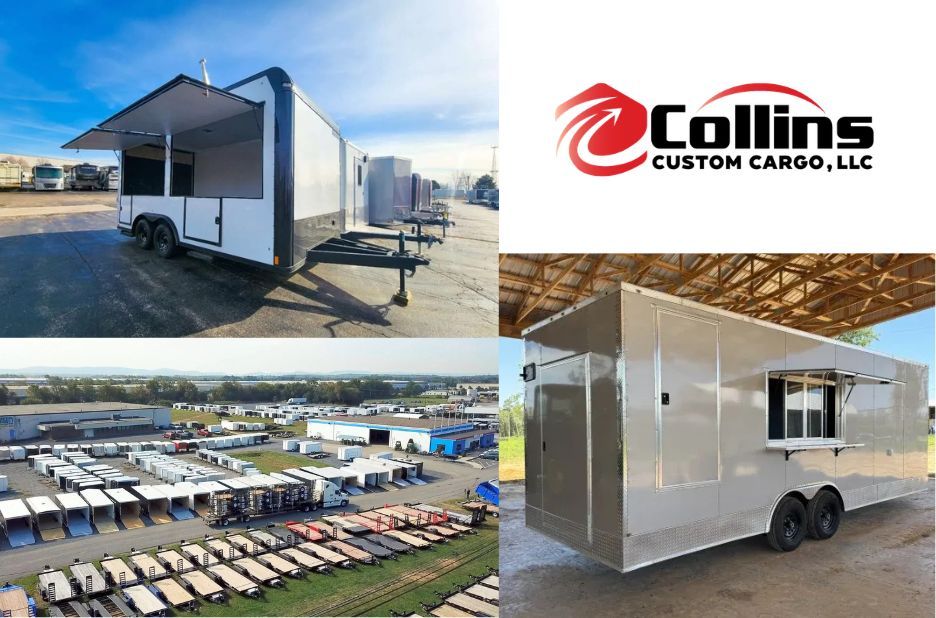
Choose the Right Enclosed Layout for Cargo Security
A practical enclosed trailer starts with matching the interior layout to the way your freight is loaded and accessed. Measure your longest items, the width you need for doors and tie-down paths, and any clearance required for ramps, forklifts, or hand Red Enclosed Trailer trucks. Then decide whether you need a mostly open deck, a built-in partition, or specific zones for sensitive equipment. Planning this up front reduces wasted space and prevents you from modifying the trailer later.
Security is more than a lock on the doors. Look for features that protect cargo from tampering and weather exposure, such as a well-sealed door opening, sturdy framing around the perimeter, and reliable hardware that resists loosening with use. Consider adding interior tie-down points at sensible intervals so you can secure loads without improvising with straps that may slip. For businesses that haul frequently, consistent load planning is what keeps deliveries safe and repeatable.
Evaluate Materials, Build Quality, and Fit for Daily Use
When comparing enclosed options, focus on materials and construction details that influence durability under real hauling conditions. Inspect the frame for straightness and consistent welding, and confirm that the interior and exterior surfaces are designed to handle road spray, minor impacts, and constant vibration. Titanium Trailer for Sale A good trailer platform also resists flex, because stable mounting points help straps, mounts, and equipment stay secure during transit. If your work involves frequent loading cycles, prioritizing build quality can lower downtime and reduce repair costs.
Pay attention to how the trailer handles temperature and moisture, especially if you transport tools, electronics, or temperature-sensitive goods. Proper insulation and careful sealing reduce condensation buildup, which can otherwise damage surfaces and hardware. You should also confirm that the flooring is suitable for your load type, whether you use pallet jacks, dollies, or wheeled machinery. A practical inspection includes checking door alignment, latch engagement, and the smooth operation of any vents or access points.
Size, Capacity, and Loading Workflow That Works
Choosing dimensions is one of the most practical decisions you can make, because it affects every step of your workflow. A common mistake is selecting a length that feels right for storage but complicates loading due to approach angles, door reach, or cluttered interior turning space. Before purchase, map the loading sequence: where items arrive, how they are positioned, and what you need to do to secure them quickly. This helps you pick a that supports efficient loading without forcing awkward placements.
For some operations, the right approach to capacity includes thinking about weight distribution, not just total payload. Place heavier items near the center of the trailer to help maintain stability and reduce stress on the suspension system. Use tie-downs to prevent shifting in both forward and sideways directions, and avoid stacking that blocks access to fasteners or emergency egress. If you’re also interested in specialty configurations, a option can be worth investigating for customers who want strong performance characteristics and a premium build direction, depending on availability and intended use.
Maintenance, Accessories, and Getting the Most Out of Your Investment
Even a well-built trailer benefits from a practical maintenance routine that keeps it road-ready and protects cargo. After each heavy haul, inspect tie-down anchors, check for loose hardware, and verify that door seals remain intact. Periodically clean the interior and remove grit that can wear down flooring or damage coatings over time. For outdoor use, keeping the exterior free of corrosive residue helps extend lifespan and preserves appearance, especially around door edges and seams.
Accessories can turn a basic enclosed trailer into a reliable working space tailored to your needs. Consider lighting placement for quick inspections, an organized wall layout for straps and hand tools, and shelving that supports repeatable packing methods. If you transport bulky items, adding a practical ramp or choosing compatible loading aids can reduce loading effort and minimize wear on cargo. With the right setup, Collins custom cargo provides enclosed solutions built for secure hauling and long lasting use—designed for durable build quality, spacious interiors, and dependable performance for business and transport applications.
Conclusion
Picking the right enclosed hauling setup comes down to practical decisions you can verify before committing. When you match layout, construction quality, and loading workflow to your cargo, the trailer becomes easier to use and safer to operate. Maintenance planning and smart accessories also help protect your investment, since small upkeep steps prevent bigger issues later. If you want a dependable enclosed trailer built for secure hauling and long lasting use, Collins custom cargo is a strong choice for businesses seeking durable build, roomy interiors, and reliable performance.
Use your measurements, inspect key build details, and plan how you’ll secure loads every trip. That approach turns shopping into a straightforward process instead of a guess-and-check exercise. Whether your priority is protecting equipment from weather exposure or improving speed during repeated deliveries, the right design choices make the difference. With thoughtful selection and consistent care, your trailer will serve as a dependable part of your transport operation.